

Vegas Lounge casino Plinko game
Introduction
Plinko has become one of the most talked-about instant-win casino formats for a simple reason: it looks easy to understand, yet it can produce very different sessions depending on how it is configured. On the Vegas lounge casino Plinko page, that contrast is exactly what stands out. At first glance, the concept is almost minimal. You choose a stake, select a risk level, drop a ball, and watch it bounce through a field of pegs until it lands in a payout slot. But the real experience is not as basic as the interface suggests. When the support team feels slow, best Vegas Lounge Casino Aviator crash game explains the fastest ways to reach them.
I see Plinko as a game built around visible randomness. Unlike many classic slots, where the decisive calculation happens behind the reels and symbols, here the action is presented in front of the player in a direct, physical-looking way. The path of the ball creates tension because every small bounce feels meaningful, even though the result still comes from a mathematically defined random process. That combination of simplicity, speed, and suspense explains why Plinko has become so noticeable across modern online casino platforms, including Vegaslounge casino.
For players in New Zealand who want to understand whether this format is worth trying, the key question is not just “how does it work?” but “what kind of session does it create in practice?” That is where Plinko becomes interesting. It is not a slot, not a table game, and not a crash title either. It sits in its own space, with a rhythm that can feel relaxing in one setup and sharply aggressive in another.
What Plinko is and why it attracts so much attention
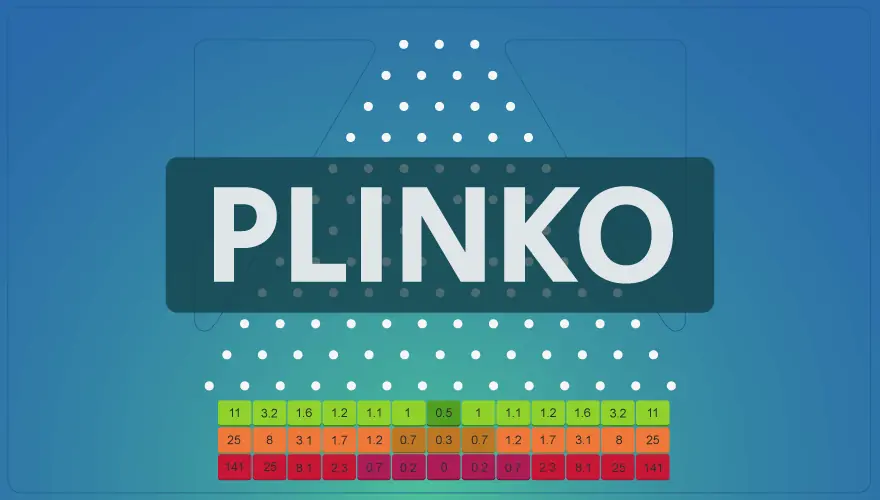
Plinko is a probability-based casino game in which a ball drops from the top of a vertical board and deflects left or right as it hits rows of pegs. At the bottom of the board, there are payout segments with different multipliers. Most of the lower multipliers are concentrated near the centre, while the highest returns usually sit at the far edges. That layout is important because it immediately tells the player something essential: the most dramatic outcomes are possible, but they are not meant to happen often.
The reason this format attracts attention is not only the chance of landing a large multiplier. It is the way the game packages uncertainty. A slot spin is often over in a second, and the animation is decorative. In Plinko, the animation is the event. You can follow the ball’s path peg by peg, and that creates a stronger sense of anticipation than many players expect from such a stripped-down concept.
Another reason for the game’s visibility is that it is easy to enter. There are no paylines, no paytables full of symbol values, no Vegas Lounge Casino bonus for new players maps, and no layered side features to decode before the first round. A new player can understand the surface rules in under a minute. Yet the session quality changes a lot when risk settings and board size come into play. That gap between easy entry and more complex practical behaviour is one of the defining traits of Vegas lounge casino Plinko.
One observation I keep coming back to is this: Plinko often feels more honest than many flashy casino products because it does not pretend to be more complicated than it is. At the same time, that honesty can mislead players into underestimating how swingy the results may become over a short session.
How the Plinko system works in real play
The core mechanic is straightforward. The player sets a bet size, chooses a risk mode, and in some versions selects the number of rows on the board. Once the ball is released, it moves downward, bouncing off pegs until it reaches one of the payout slots at the bottom. Each slot corresponds to a multiplier applied to the original wager.
In practical terms, the board is built around distribution. Central landing zones tend to be hit more often because there are more possible paths leading there. Edge positions, where the biggest multipliers usually sit, are much less likely because the ball must repeatedly deflect in a narrow pattern to reach them. This is why Plinko can show a headline multiplier that looks impressive while still returning many modest or low outcomes across ordinary play.
Risk level changes how the multiplier map is arranged. On lower risk, the board usually offers a tighter range of returns. That means fewer extreme outcomes and a steadier session profile. On higher risk, the multiplier spread becomes more aggressive. Small returns or misses may dominate, but the top-end rewards become more noticeable on paper. The maths behind the board does not disappear; it simply shifts the balance between frequency and payoff size.
Rows matter too. A taller board generally increases the number of bounce decisions before the ball lands. That can widen the distribution and make the outer slots harder to reach. For the player, this changes both feel and expectation. More rows often mean a longer visual descent and a stronger sense of suspense, but also a more pronounced difference between ordinary results and rare premium hits.
| Element | What it changes | What it means in practice |
|---|---|---|
| Bet size | Base value of each drop | Directly affects session cost and the size of any multiplier-based return |
| Risk level | Distribution of multipliers | Lower settings usually feel steadier; higher settings can become much more uneven |
| Number of rows | Path complexity and board shape | Can change the rhythm of the drop and how often edge outcomes appear |
| Auto-play or repeated drops | Session speed | Makes losses and returns accumulate faster, which matters more than many players expect |
The important point is that Plinko is not just “drop and hope.” The settings define the character of the session. Two players can use the same title and have very different experiences depending on whether they choose a conservative board or chase high multipliers through a more volatile setup.
Why the game feels engaging and how the tempo affects the session
Plinko creates engagement through repetition with variation. Every round follows the same structure, but the path never looks exactly the same. That matters because the game avoids feeling static even though the rules are simple. You are watching a familiar event unfold in slightly different ways each time, and the brain tends to attach significance to near-misses, edge bounces, and late directional changes.
This is one of the most important practical points for a player. The pace of Plinko can be deceptive. A single drop is easy to process, and the interface rarely feels crowded. Because of that, players often perceive it as lighter than a slot session. In reality, the speed can be very high, especially with repeated manual drops or auto mode. A fast rhythm combined with a high-risk board can produce sharp bankroll movement in a short period.
I would describe the tempo of Vegas lounge casino Plinko as one of its defining strengths and one of its main pressure points. It is satisfying because each round resolves quickly, but it also leaves little natural friction between decisions. Slots sometimes slow the player down with bonus intros, reel animations, or feature transitions. Plinko strips most of that away. The result is cleaner, but also easier to underestimate.
A memorable detail about this format is that suspense often peaks not at the start of the round but near the bottom of the board. The final few bounces can make a routine result feel dramatic, even when the eventual multiplier is modest. That emotional shape is part of why the game holds attention so effectively.
Understanding probability, risk settings, and expected outcomes
Before launching Plinko, a player should understand one basic truth: visible motion does not mean skill-based control. The ball appears to make a physical journey, but the outcome remains governed by a randomised system and the game’s underlying probability model. You are not reading the board, timing the release, or influencing the final slot through observation. The visual path creates involvement, not control.
That distinction matters because Plinko can give a stronger illusion of “almost getting there” than many other casino products. A ball that drifts toward a high multiplier and then falls back toward the centre feels personal, even though it is simply part of the distribution pattern. This can encourage players to chase outcomes that are designed to be rare.
Risk levels are the clearest expression of how the game handles probability. In broad terms:
Low risk usually compresses results into a narrower range. The session may feel smoother, but top multipliers are less dramatic.
Medium risk tends to balance ordinary returns with occasional stronger hits. For many players, this is the most readable version of the format.
High risk increases the gap between common and rare outcomes. The upside looks more exciting, but dry stretches can arrive quickly.
None of these settings changes the basic house edge logic. What changes is the route the game takes to express it. One setup may return smaller amounts more regularly; another may produce long flat periods interrupted by occasional spikes. For the player, this means the right question is not “which setting pays best?” but “which session profile can I actually tolerate?”
Expected outcomes in Plinko should be read over volume, not over a handful of drops. A short streak can make the game look generous or brutal, but neither impression says much on its own. This is especially relevant in New Zealand-facing online casino environments where players often move between instant games and slots without adjusting their expectations. Plinko needs its own mindset.
How risky Plinko really is and who it suits best
Plinko can range from relatively controlled to highly aggressive depending on configuration. That is why broad labels do not tell the whole story. Saying the game is “safe” or “risky” without context misses the point. A low-stake, low-risk setup may feel manageable for a casual session. A high-risk board with rapid repeat drops can become one of the more unstable formats in a casino lobby.
In my view, Plinko suits players who enjoy short decision cycles, direct visual feedback, and clean interfaces. It also works well for those who prefer understanding the full structure of a round before they play. There is no mystery about what the game is trying to do. You can see the board, the multipliers, and the general logic immediately.
It may be less suitable for players who want layered bonus content, narrative features, or the feeling of progression that classic video slots often provide. If someone enjoys collecting scatters, unlocking free spins, or following expanding mechanics over a long session, Plinko may start to feel mechanically narrow after the novelty fades.
It can also frustrate players who react strongly to near-miss tension. Because the ball visibly travels toward high-value edges before falling away, the format can feel more teasing than reels and symbols. That does not make it unfair; it simply means the emotional texture is different.
What players should know about session rhythm, streaks, and bankroll pressure
One of the most useful ways to evaluate Vegas lounge casino Plinko is to think in terms of session rhythm rather than isolated drops. The game does not just produce outcomes; it produces patterns of feeling. A cluster of centre landings can make the board seem flat. Then one edge result can reset the mood instantly. This swing in perception is part of the design.
Bankroll pressure comes from three combined factors:
Fast resolution — rounds finish quickly, so many bets can be placed in a short time.
Variable multiplier spread — depending on risk mode, ordinary returns may be small relative to the stake.
Psychological chase effect — visible near-misses can tempt players to continue longer than planned.
This is why I usually advise players to test the rhythm before increasing stake size. A format can look harmless because each round is easy to read, but readability is not the same as stability. In fact, Plinko’s clean design can make a volatile session feel more manageable than it really is.
Another useful observation: the game often feels calmer in silence than it does with sound effects and rapid repeats. That might seem minor, but it changes how players perceive momentum. In a title built around repeated drops, presentation can amplify urgency.
| Session trait | Potential benefit | Possible downside |
|---|---|---|
| Quick rounds | Easy to understand and convenient for short play sessions | Can accelerate spending without much pause between bets |
| Visible ball path | Creates suspense and makes outcomes feel more tangible | Can intensify near-miss frustration |
| Risk settings | Lets players shape the style of the session | High-risk mode can produce harsh short-term variance |
| Simple interface | Low learning curve | May feel repetitive for players who want layered content |
How Plinko differs from classic slots and other casino games
The clearest difference between Plinko and classic online slots is structural. A slot is built around reels, symbol combinations, and feature triggers. Much of its complexity sits in payline logic, reel weighting, bonus rounds, and symbol interactions. Plinko removes almost all of that. There are no reels to stop, no wild chains to evaluate, and usually no separate bonus sequence waiting behind the base round.
That changes the player experience in several ways. First, Plinko is more transparent at the surface level. You can see where the high multipliers are and understand that they are harder to reach. Second, the game offers less thematic immersion. It is closer to a mathematical challenge presented visually than to an entertainment package built around symbols and features.
Compared with roulette, Plinko feels more animated and less binary. Compared with Vegas Lounge Casino crash games review with payment and login details, it gives the player less timing pressure because there is no cash-out decision in the middle of the action. Compared with dice-style instant games, it feels more theatrical because the result unfolds through movement rather than appearing as a number.
This is exactly why Vegaslounge casino Plinko can appeal to players who are tired of traditional slot structure but still want a quick online casino format. It delivers action without requiring deep rule study, yet it still offers enough configuration to make session planning matter.
Practical strengths and limitations of the format
The strongest quality of Plinko is clarity. It tells the player what kind of experience it offers almost immediately. You are not decoding a dense paytable or waiting ten minutes to understand whether the game fits your style. That makes it one of the more accessible options for players who value directness.
Its second major strength is adjustable session character. Risk levels and board settings can shift the experience from steady to sharp. This flexibility gives Plinko broader appeal than its simple appearance suggests.
Third, the game is excellent at producing suspense without heavy visual clutter. The tension comes from trajectory, not from overloaded animation. For many players, that feels fresher than another reel-based product with familiar symbols and recycled bonus logic.
But the limitations are just as real. The format can become repetitive if a player wants more than short-cycle anticipation. There is little narrative development from one round to the next. Also, because the high multipliers are so visually prominent, some players may focus too much on rare outcomes and misread the actual balance of the board.
Another weak point is that simplicity can hide intensity. A player who would approach a high-volatility slot cautiously may enter a high-risk Plinko setup with less caution simply because the interface looks cleaner. That mismatch between appearance and bankroll impact is one of the more important warning signs.
What to check before starting a Plinko session
Before playing, I recommend paying attention to a few practical details that directly affect the experience:
Risk mode: decide whether you want steadier returns or are deliberately choosing a more uneven profile.
Stake level: because rounds are quick, even small increases can change total session cost fast.
Board settings: if row count is adjustable, understand that it affects both feel and distribution.
Auto-play behaviour: use it carefully, because it removes the natural pause that helps many players stay aware of pace.
Expectation: treat headline multipliers as rare events, not as targets that should appear within a short run.
If a demo version is available, it is worth using not to “learn a trick,” because there is no trick, but to understand how the session feels at different settings. That is the practical value of testing Plinko first. You are not mastering skill; you are checking compatibility.
Final verdict on Vegas lounge casino Plinko
Vegas lounge casino Plinko offers a very specific kind of casino experience: fast, visually transparent, and driven by probability rather than layered feature design. Its biggest strength is that it makes its core idea clear from the start. You drop a ball, follow the path, and accept that the tension comes from distribution, not from hidden complexity. For players who want direct action and a format that is easy to grasp, that is a genuine advantage.
What makes the game worth serious attention is the gap between its simple appearance and its real session behaviour. Risk settings, row structure, and round speed can turn the same title into either a relatively measured pastime or a highly uneven ride. That is why Plinko deserves more than a casual description. It is simple to read, but not always simple to manage.
In practical terms, I would say this: Plinko is best for players who enjoy short rounds, visible suspense, and a clean interface with meaningful configuration. It is less suitable for those who want rich bonus layers, thematic progression, or a slower emotional curve. The game’s key strengths are clarity, pace, and adjustable style. Its main cautions are repetition, near-miss pressure, and the ease with which a fast session can become expensive.
So, is Vegas lounge casino Plinko worth trying? Yes, if you want a probability-led format that strips casino play down to timing, trajectory, and multiplier distribution. Just do not confuse its neat presentation with low intensity. The game can be controlled, but only if the player understands what the settings really do and respects how quickly the rhythm can take over a session.
FAQ
How can the player start a Plinko game on the official casino site?
Open the Plinko game page from the game lobby and press the Play or Start button. Select the real-money or demo mode and place the stake shown for the round. The ball drops immediately once the round begins.
What happens if the account has not been verified before launching Plinko for real-money play?
Real-money game access may be limited until verification is completed. Sign in first, then go to the account area to finish the required steps. After approval, the Plinko real-money mode should be available for launch.
Before claiming any promo or bonus linked to casino games, what should be checked for Plinko?
Check the promo terms that apply to Plinko specifically, including eligibility and which mode it supports. Some offers may require a deposit or a promo code entry before they become active. Also review wagering rules tied to the bonus if the offer includes one.
How are withdrawals and game outcomes connected after playing Plinko on Vegas Lounge?
Plinko results affect the player’s available balance in the account. Withdrawals are handled through the cashier area, where the latest balance and limits are shown. Completing verification early can help keep the withdrawal flow smooth.