

Vegas Lounge casino blackjack
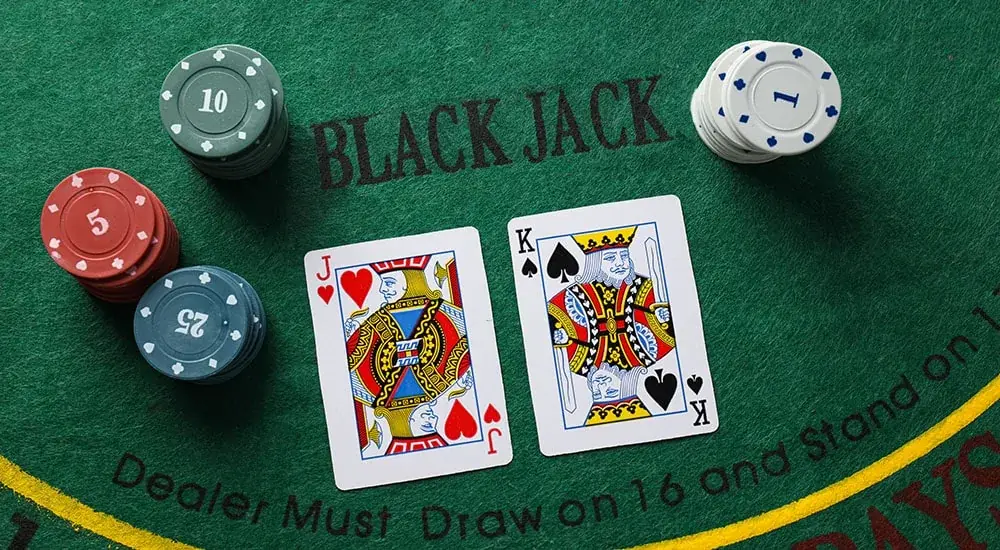
If I evaluate Vegas lounge casino Blackjack as a standalone section rather than as part of a broad casino lobby, the key question is simple: does it offer blackjack that is actually usable, varied, and easy to return to? That matters more than a brand merely placing a blackjack label in the menu. In practice, players in New Zealand usually want to know three things before they commit time to a table: what versions are available, how quickly they can find a suitable game, and whether the betting range and pace fit their style.
From that perspective, blackjack at Vegas lounge casino should be judged on practical value. A section can look complete on the surface and still feel limited once I start filtering tables, checking stake levels, or comparing RNG titles with Vegas Lounge Casino live casino games tips options. That is the difference between “blackjack exists” and “this is a section I would genuinely use.”
Does Vegas lounge casino have blackjack and how is the section usually presented?
Yes, Vegas lounge casino blackjack is typically presented as part of the table best Vegas Lounge Casino real money casino games for New Zealand players and live casino offering rather than as an isolated product line. For the user, that usually means blackjack appears in two main forms: digital software-based titles and live dealer tables. This is the standard structure on modern platforms, but the real value depends on how clearly those categories are separated and how easy it is to move between them.
On many platforms of this type, the blackjack section is not always a dedicated page with deep filters. Sometimes it is a category tile inside the main game lobby. That sounds minor, but it changes the experience. If the site only lists a few thumbnails without sorting tools, finding the right table can take longer than it should. If Vegaslounge casino presents blackjack with provider labels, stake indicators, and live/RNG separation, the section becomes much more practical. Those comparing loyalty perks can weigh this section against Aviator crash game review for New Zealand players.
One detail I always watch is whether blackjack is visible early in the navigation or buried under broader categories. If a player has to go through “Games,” then “Vegas Lounge Casino game library review for online casino players,” then “Live,” then manually search again, the section already loses some of its convenience. A blackjack page should reduce friction, not add it.
What blackjack variants are likely available and why the differences matter
The value of a blackjack section depends less on the raw number of titles and more on the mix of formats. At Vegas lounge casino, users will usually expect several recognizable versions rather than one generic game repeated by different providers. In practical terms, the most relevant formats are classic RNG blackjack, live dealer blackjack, and tables with extra betting options or altered pacing.
Classic software blackjack is the simplest entry point. It is fast, easy to load, and suitable for players who want to make decisions without waiting for other participants. This version is useful for testing strategy, playing shorter sessions, or sticking to lower stakes. The trade-off is obvious: it lacks the social pace and visual trust factor that some players prefer in a real-time studio environment.
Live dealer blackjack changes the feel of the game completely. Cards are dealt by a real croupier, rounds follow a shared table rhythm, and the interface often includes seat selection, chat, roadmaps, and side wagers. For many users in New Zealand, this is the format that determines whether the blackjack section feels serious or merely functional. A casino can list ten RNG titles, but if the live tables are thin, overcrowded, or poorly filtered, the section may still feel weak.
Variant-based tables can include versions with different deck counts, side bets, speed rounds, or modified rules on doubling and splitting. These tables matter because blackjack is not a one-size-fits-all game. A player looking for a low-pressure standard table and a player hunting for side-bet volatility are not really shopping for the same thing.
One useful observation here: a large blackjack lobby can be misleading if most titles are near-identical skins from the same engine. What matters is meaningful variation, not visual duplication.
Is there classic blackjack, live blackjack, and other common versions at Vegas lounge casino?
For a section to feel complete, I would expect Vegas lounge casino Blackjack to cover the core trio: standard digital blackjack, live dealer tables, and at least a few alternative versions. The classic format usually serves players who want quick rounds and stable controls. Live tables appeal to users who care about realism, dealer interaction, and a more authentic casino rhythm. Alternative versions add range, but only when they are genuinely distinct.
Popular options on comparable platforms often include Blackjack Classic, European-style blackjack, multi-hand tables, Speed Blackjack, Infinite Blackjack, and live environments with different seat availability. Each of these changes the experience in practical ways. Multi-hand play increases action and can accelerate bankroll swings. Speed tables reduce downtime but may feel too rushed for careful decision-making. Infinite-style tables help with seat access, which is useful during peak hours when standard live tables are full.
If Vegaslounge casino includes provider-backed live tables from major studios, that is a meaningful plus. Not because the provider name itself is everything, but because established studios tend to offer cleaner streaming, better rule visibility, and more consistent table management. If the section relies too heavily on generic or thinly differentiated versions, the lobby may look broader than it really is.
How easy is it to access the blackjack section and start a session?
Convenience matters more in blackjack than many operators admit. This is a game players often revisit repeatedly, sometimes for short sessions. If it takes too many clicks to return to a preferred table, the user experience starts to feel clumsy. At Vegas lounge casino, the blackjack section is most useful when it offers direct navigation, recognizable thumbnails, and enough information before launch to avoid guesswork.
What I want to see before opening any table is straightforward: provider name, live or software label, minimum stake, and ideally a short descriptor of the format. Without that, users end up opening games one by one just to check whether they fit their budget or preferred style. That is a small but very real source of frustration.
The launch process should also be judged by speed and consistency. RNG blackjack should load almost instantly. Live blackjack naturally takes longer because of streaming, but delays should still be reasonable. If the lobby forces repeated redirects or refreshes, it interrupts the flow. This is especially noticeable on mobile browsers, where heavy live interfaces can expose weak optimization very quickly.
Another practical point: a blackjack section feels stronger when it remembers recently played tables or allows favorites. That feature is often overlooked, yet it has more day-to-day value than a long list of barely distinct titles.
Which rules, betting limits, and gameplay details deserve close attention?
This is where players should slow down. Blackjack can look familiar across titles while the underlying table conditions differ enough to affect strategy and value. At Vegas lounge casino Blackjack, the most important checks are not cosmetic. They are structural: number of decks, dealer action on soft 17, payout ratio for natural blackjack, doubling options, splitting rules, and whether surrender is available.
A table that pays 3:2 on a natural hand is not the same proposition as one paying 6:5. That single difference can materially change long-term value. The same goes for whether doubling after splitting is permitted or whether aces can be resplit. Casual players often skip these details, but they directly affect how playable a table is for anyone using even basic strategy.
Betting limits also matter far beyond bankroll size. A section can technically serve both low-stakes and high-stakes users, but only if the spread is broad enough. If the minimums on live tables sit too high, the live offering becomes decorative rather than practical for many players. On the other hand, if all low-limit tables are crowded or slow, accessibility exists only on paper.
I also recommend checking how clearly the game displays current limits and rule summaries before entry. If those details are hidden inside a help menu after loading, the platform is making a simple decision harder than it needs to be.
- Check blackjack payout: 3:2 is generally preferable to 6:5.
- Review dealer rules: whether the dealer stands or hits on soft 17 matters.
- Look at split and double options: these shape practical strategy.
- Confirm table minimums: especially on live dealer games.
- Watch round speed: fast tables are not always better for decision-heavy play.
Are live dealers, multiple tables, side bets, and extra features part of the blackjack offering?
For many users, the real test of a blackjack section is its live inventory. A single live table is enough to claim availability, but not enough to create depth. At Vegas lounge casino, live dealer blackjack becomes genuinely useful only if players can choose between more than one table style, stake level, or pace.
Different live tables serve different needs. Some players want standard seats with a slower rhythm. Others prefer speed-focused formats or unlimited-seat versions that reduce waiting time. If the section includes several table types, it becomes easier to match user intent rather than forcing everyone into the same structure.
Side bets are another area worth checking carefully. They can add variety, but they also increase volatility and often carry a higher house edge than the main hand. Pairs, 21+3, and similar extras are popular because they make the game feel more dynamic. Still, from a practical standpoint, they should be treated as optional features rather than core value. A blackjack section is stronger when the main tables are solid first and the extras come second. Table game fans will get more out of this review after reading casino ownership for New Zealand players.
One memorable pattern I often see across casino sites is this: the lobby advertises “live blackjack” prominently, but the useful part of the offering is really only two or three tables once I remove high-limit rooms, language-specific streams, and duplicate variants. That is exactly why table count should be judged by functional choice, not marketing labels.
What is the real user experience like when playing blackjack here?
In day-to-day use, the quality of Vegas lounge casino Blackjack depends on rhythm. Can I move from browsing to a table quickly? Can I understand the betting range before I commit? Can I switch between RNG and live formats without starting over? Those small interactions define the section more than promotional wording ever will.
A good blackjack experience feels predictable in the right way. Buttons are clear, chip selection is responsive, and decision timers on live tables are visible without being stressful. On software titles, the dealing pace should be smooth rather than theatrical. Overdesigned animations may look polished for a minute and then become irritating during longer sessions.
I also pay attention to how the interface handles mistakes. If a player misclicks a chip, changes stake, or needs to review hand history, the process should be obvious. Blackjack is a decision game. The platform should support those decisions, not rush them through cluttered controls.
The strongest sections usually share one trait: they let experienced players act quickly while still making the basics understandable for less experienced users. That balance is harder to achieve than it looks.
What limitations or weak points could reduce the value of the blackjack section?
Even when blackjack is present at Vegas lounge casino, several factors can reduce its real usefulness. The first is shallow variety disguised as choice. If multiple titles differ only in branding, the section may appear broad while offering little practical difference.
The second issue is narrow betting coverage. A weak spread between minimum and maximum stakes can leave part of the audience underserved. Low-stakes players may find live tables too expensive, while higher-stakes users may not see enough premium rooms or serious table depth.
The third weak point is rule opacity. If users have to launch each game to discover whether blackjack pays 3:2, whether surrender exists, or what the side wagers are, the section becomes less transparent than it should be. That is not a minor design flaw; it affects informed decision-making.
Finally, live availability can fluctuate. A platform may technically offer live dealer blackjack, but during peak periods the most attractive tables can be full, limited, or less convenient than they first appear. This is particularly relevant for players in New Zealand who may Vegas Lounge Casino login during time windows that do not always align perfectly with the strongest table availability.
Who is Vegas lounge casino blackjack best suited for?
This section is likely to suit players who want a mix of standard blackjack and live dealer options without needing an overly specialized environment. If your goal is to move between quick software sessions and more immersive real-time tables, Vegas lounge casino Blackjack can be useful provided the lobby is organized well and the limits match your budget.
It is a better fit for users who are willing to compare tables rather than blindly opening the first option they see. Blackjack players who check payout ratios, dealer rules, and side-bet structure will get more value from the section than those who assume every table is effectively the same.
It may be less ideal for players seeking a highly technical blackjack ecosystem with exceptionally deep table filtering, extensive language-specific live rooms, or a very wide spread of specialist variants. In that case, the section needs to be judged not by adequacy, but by depth.
Practical tips before choosing a blackjack table at Vegas lounge casino
Before settling into a regular table, I would recommend a short comparison pass. It saves time later and often reveals differences that are easy to miss at first glance.
- Start with the rules panel. Confirm payout for a natural blackjack and whether the dealer hits or stands on soft 17.
- Compare at least two live tables. One may have a better pace, lower minimum, or clearer interface.
- Check if side bets are active by default. They can change the feel and volatility of the session.
- Test one RNG title first. It helps you judge interface quality and stake controls quickly.
- Use live tables selectively. If a table is crowded or too fast, switching early is better than forcing a poor fit.
| What to check | Why it matters |
|---|---|
| Blackjack payout | Directly affects long-term value and table quality |
| Minimum and maximum stakes | Shows whether the table is realistic for your bankroll |
| Live table availability | Determines whether the section is useful beyond basic software titles |
| Variant differences | Helps avoid choosing duplicate games with no practical advantage |
| Interface speed | Affects comfort during repeated sessions, especially on mobile |
Final verdict on Vegas lounge casino Blackjack
My overall view is that Vegas lounge casino Blackjack can be worthwhile if you approach it as a section to compare, not just a category to click once. Its practical strength depends on whether the platform offers a real mix of software and live dealer tables, clear rule visibility, and betting ranges that make sense for ordinary users rather than only for a narrow slice of the audience.
The strongest points are easy to define: blackjack is typically available in more than one format, live tables can add real value when they are properly represented, and the section has the potential to suit both casual and more deliberate players. The caution points are just as important: table variety may be less deep than it first appears, rule differences can materially affect value, and live access is only as good as the actual number of useful tables at the time you log in.
If I were advising a player in New Zealand on whether this section deserves regular use, I would say yes—but only after checking the details that actually shape blackjack quality. Look at the payout structure, compare live and RNG options, verify the stake range, and make sure the interface feels efficient enough for repeat sessions. That is the difference between a blackjack page that merely exists and one that is genuinely worth returning to.
FAQ
How does real-money Blackjack gameplay work in the lobby?
Real-money Blackjack starts once the table loads and the game status shows you are seated. Bets are placed for each round, and the dealer plays out according to standard Blackjack rules set for that table.
If a user has an active bonus, how will it affect Blackjack bets and game balance?
Active bonuses can change which balance is used for betting and may require wagering before certain cashing options are available. Blackjack rounds still follow the table rules, but bonus terms can limit withdrawals tied to bonus funds.
What should be checked before launching Live Blackjack from Vegas Lounge?
Confirm the correct table type is selected and that the game status shows it is accepting seats. Check your browser or mobile connection, then refresh the lobby if the table feed looks frozen.
How can limits on a Blackjack table affect bet sizing?
Each table shows its minimum and maximum bet, and any attempt outside those limits will be rejected. Keeping bet sizes within the shown range also reduces round delays caused by bet validation.
Where can the Blackjack table rules be checked before starting a round?
The table info area shows the active rules for that specific game, including actions like surrender, split, and dealer standing behavior. Reading these details before seating avoids surprises during decision time.